From 4000 BC
Origins of pig farming
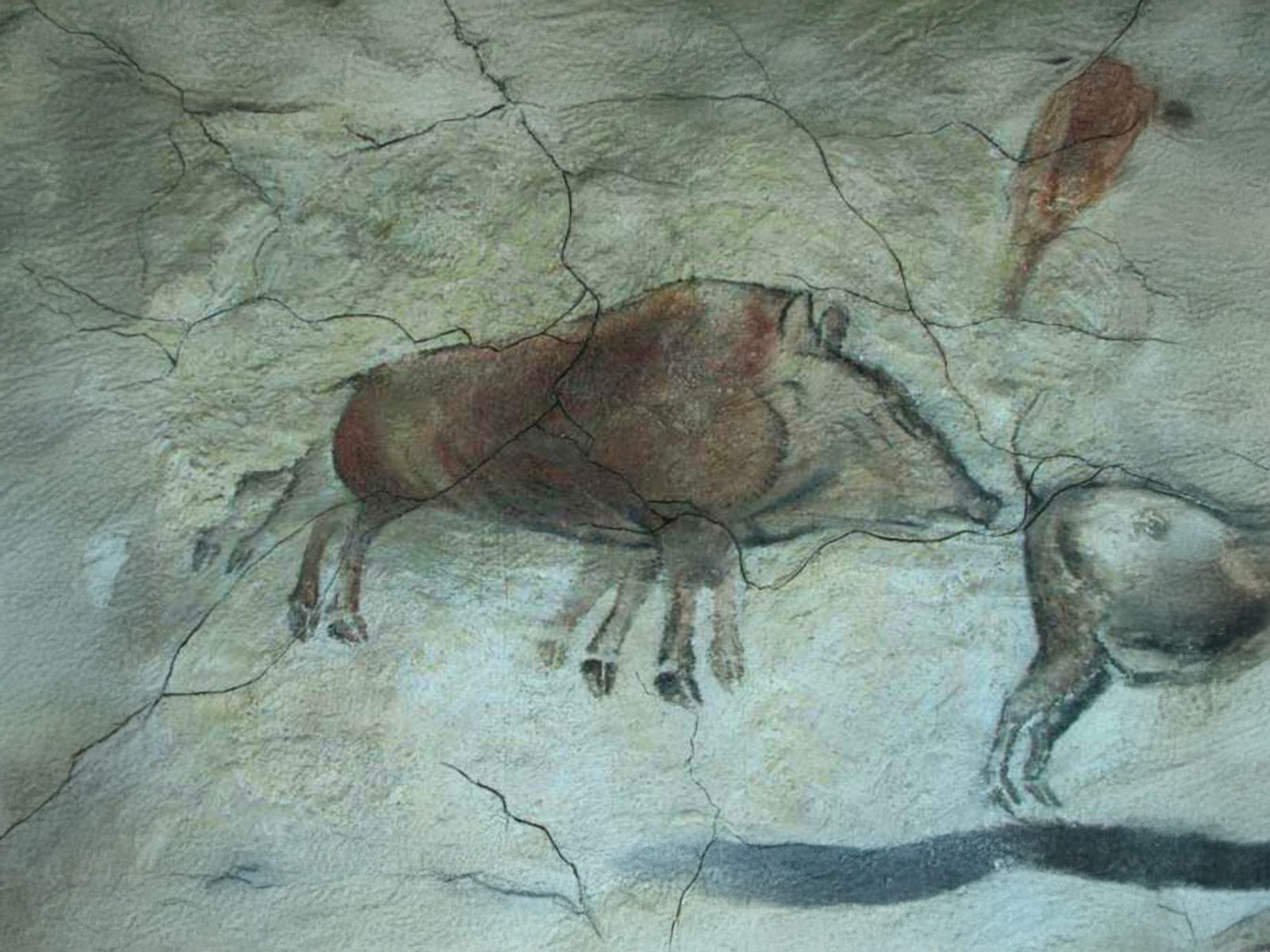
Pig farming has very ancient roots. Already in the ancient world, the pig was valued because it was easy to rear, rich in fat and able to provide tasty, nourishing meat.
History
A story crossing farming, preservation, guilds, European courts and pork butchery tradition, up to the three PDO products protected today by the Consortium.
Timeline
From domestic practice to modern production, the history of Piacenza cured meats tells of a deep relationship between territory, food and know-how.
From 4000 BC
Pig farming has very ancient roots. Already in the ancient world, the pig was valued because it was easy to rear, rich in fat and able to provide tasty, nourishing meat.
Po Valley
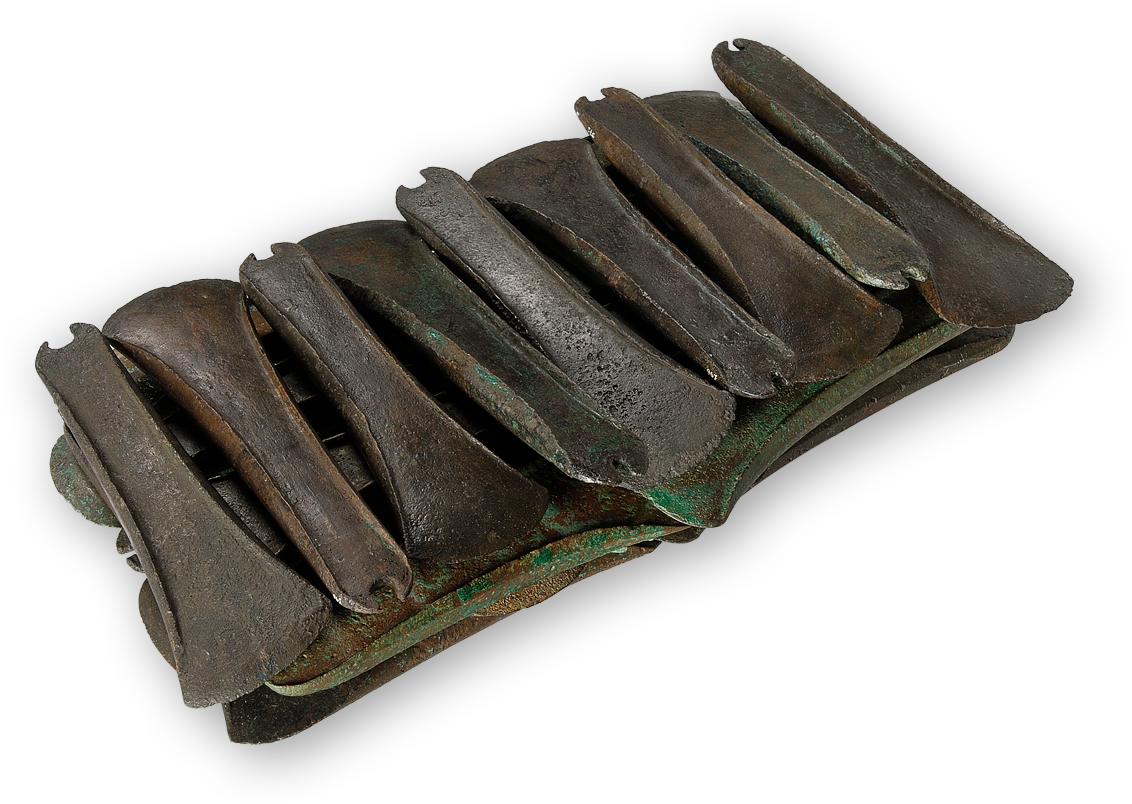
Archaeological finds in the Terramare areas of Parma and Piacenza confirm that people in the Po Valley knew the pig as early as the Bronze Age, about one millennium before the Christian era.
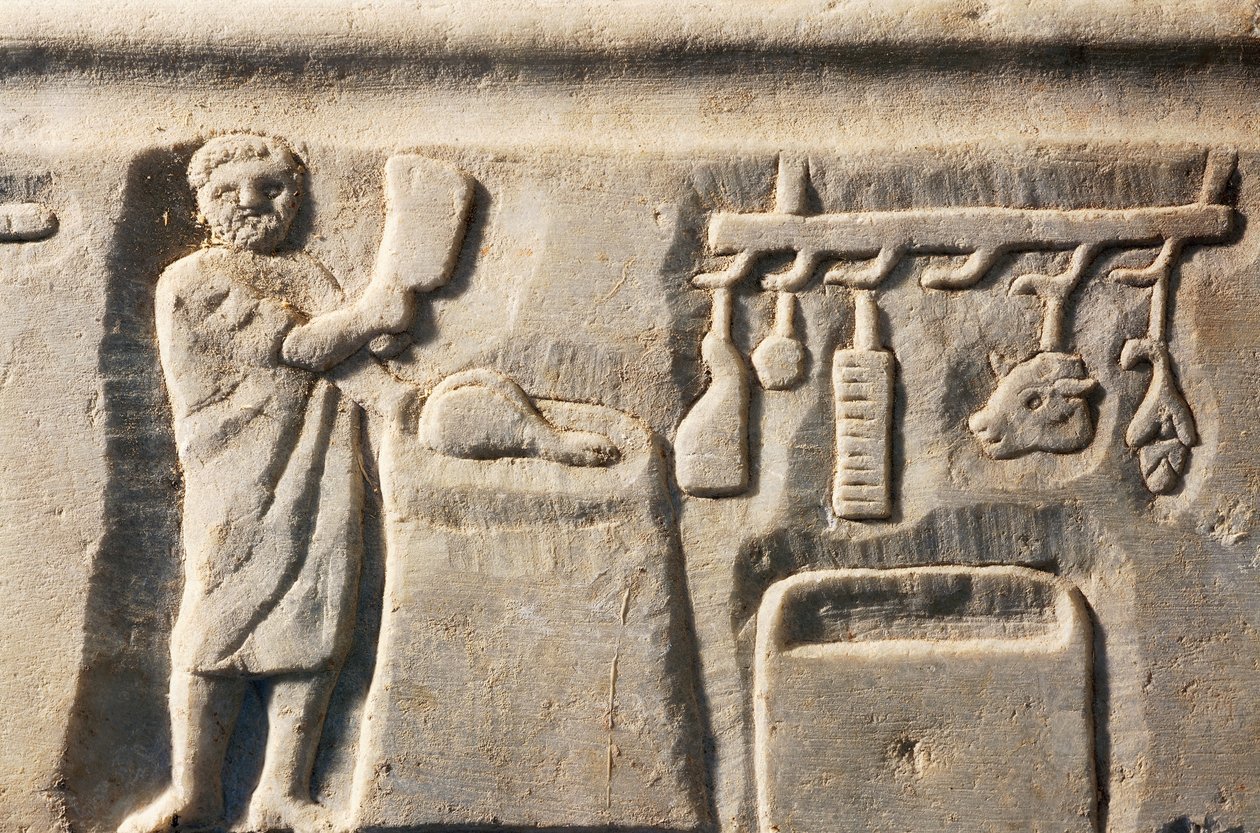
Roman age
Roman civilisation made extensive use of pork in food. In the Piacenza area, a bronze amulet depicting a small pig, preserved at the Civic Museum of Piacenza, remains an important local testimony.
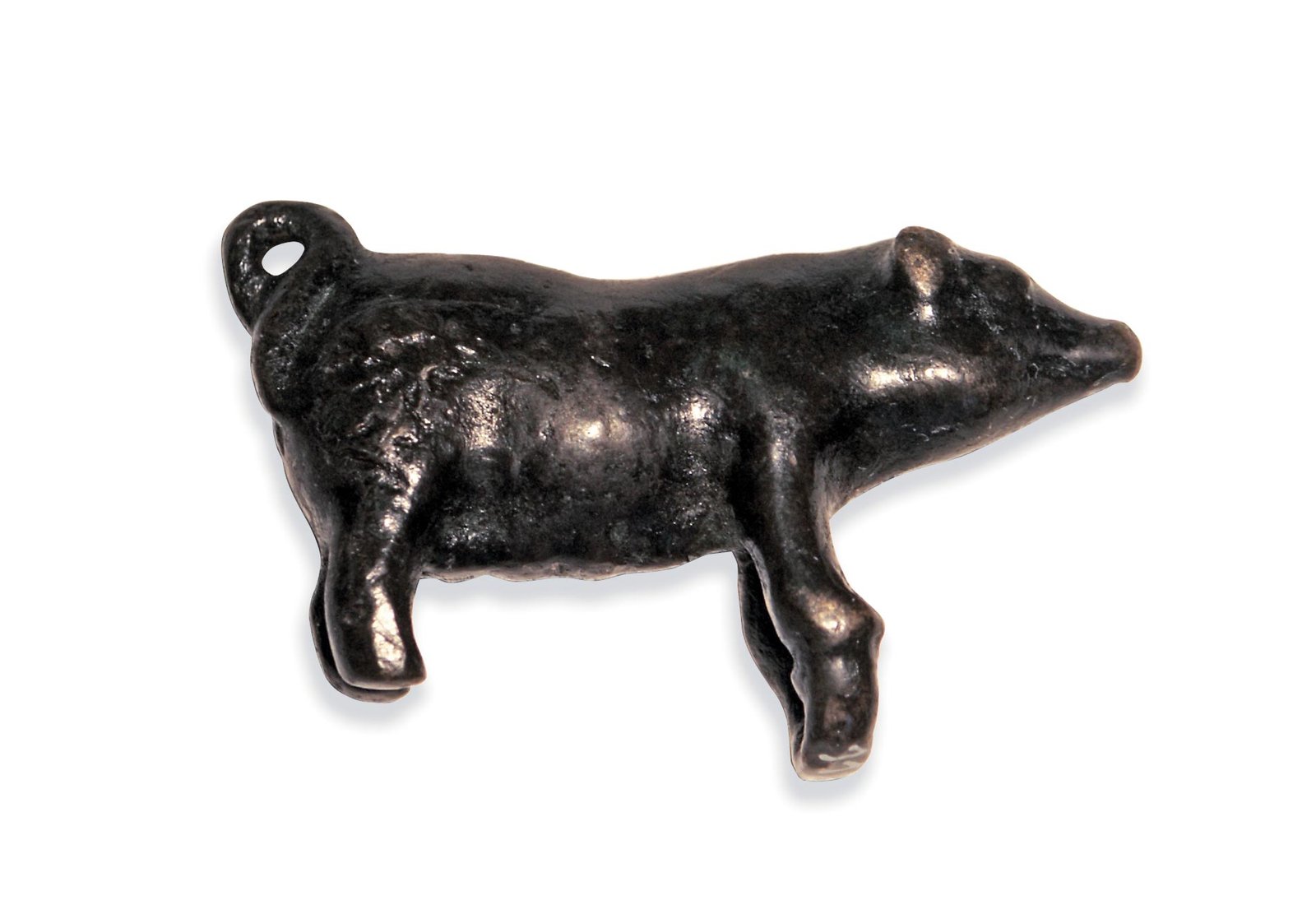
Roman archaeological evidence
The small bronze pig figure, known locally as the scrofetta, testifies to the symbolic and food value attributed to this animal in the Piacenza area.
Middle Ages
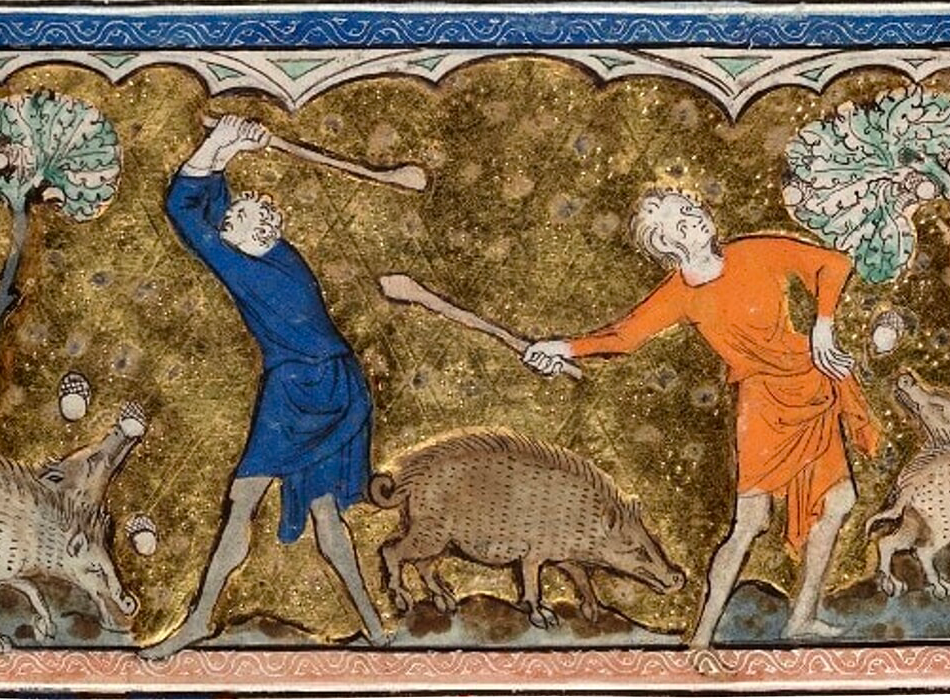
Preservation with salt gradually spread after older techniques such as drying and smoking. In Emilia, pork processing remained for centuries a domestic practice linked to family needs.
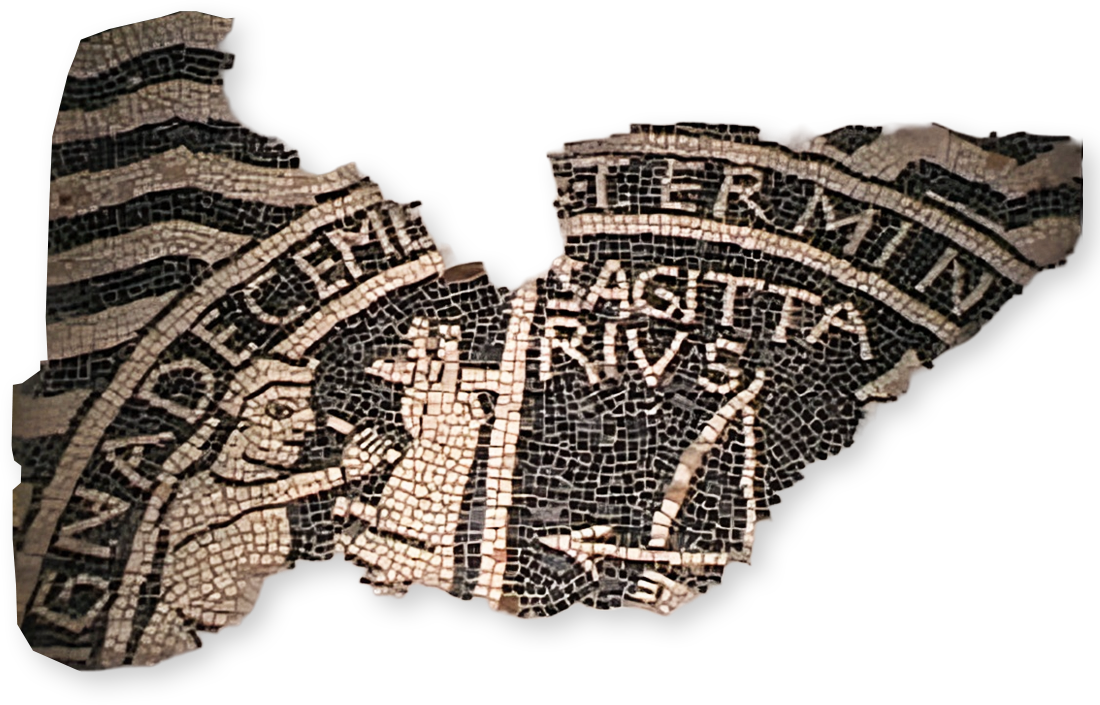
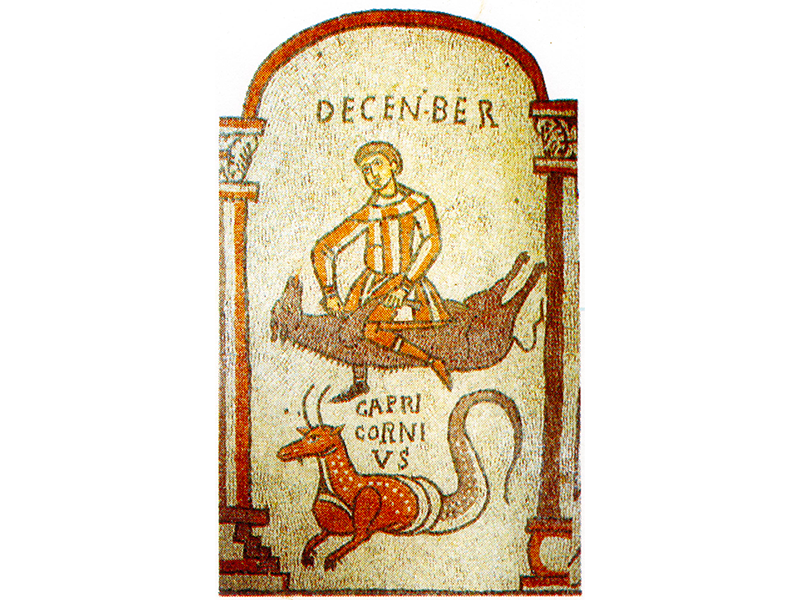
12th century
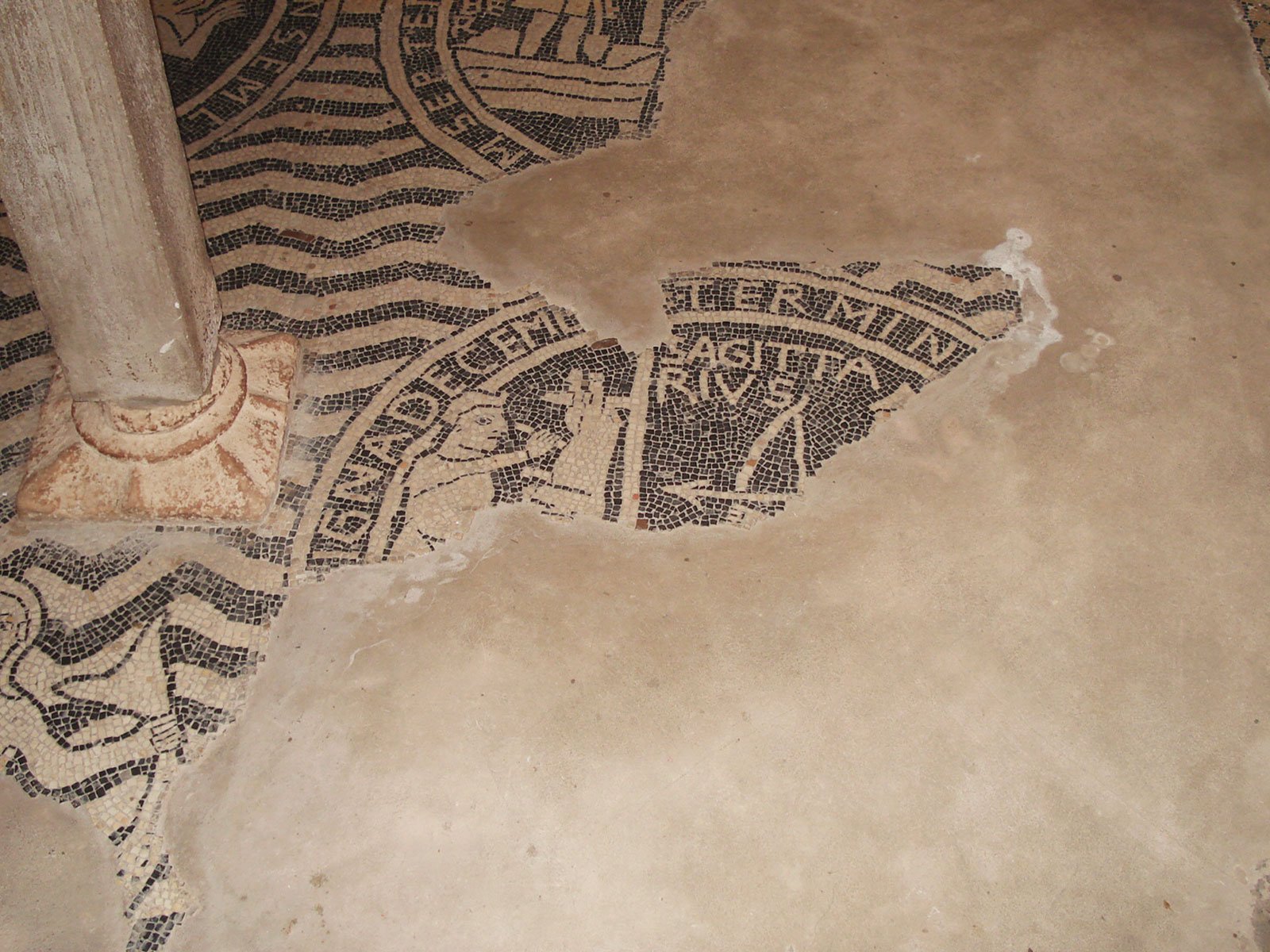
Two local artistic testimonies describe the spread of pork butchery practices: the mosaics of San Savino in Piacenza and San Colombano in Bobbio, where pig slaughter is associated with December.
From the 14th century
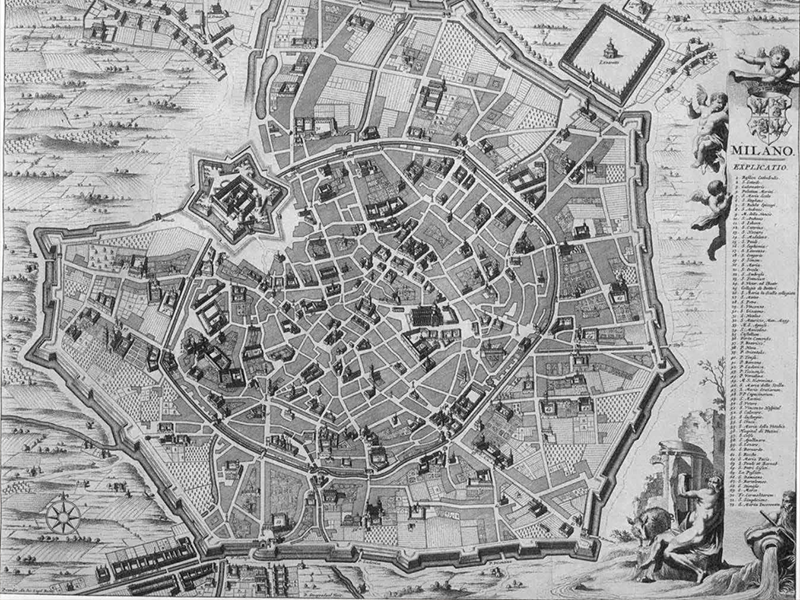
Ancient municipal statutes document the trade of preserved meats in the province of Piacenza. Sales were linked to guilds and, over time, the figure of the lardaroli emerged.
Modern age
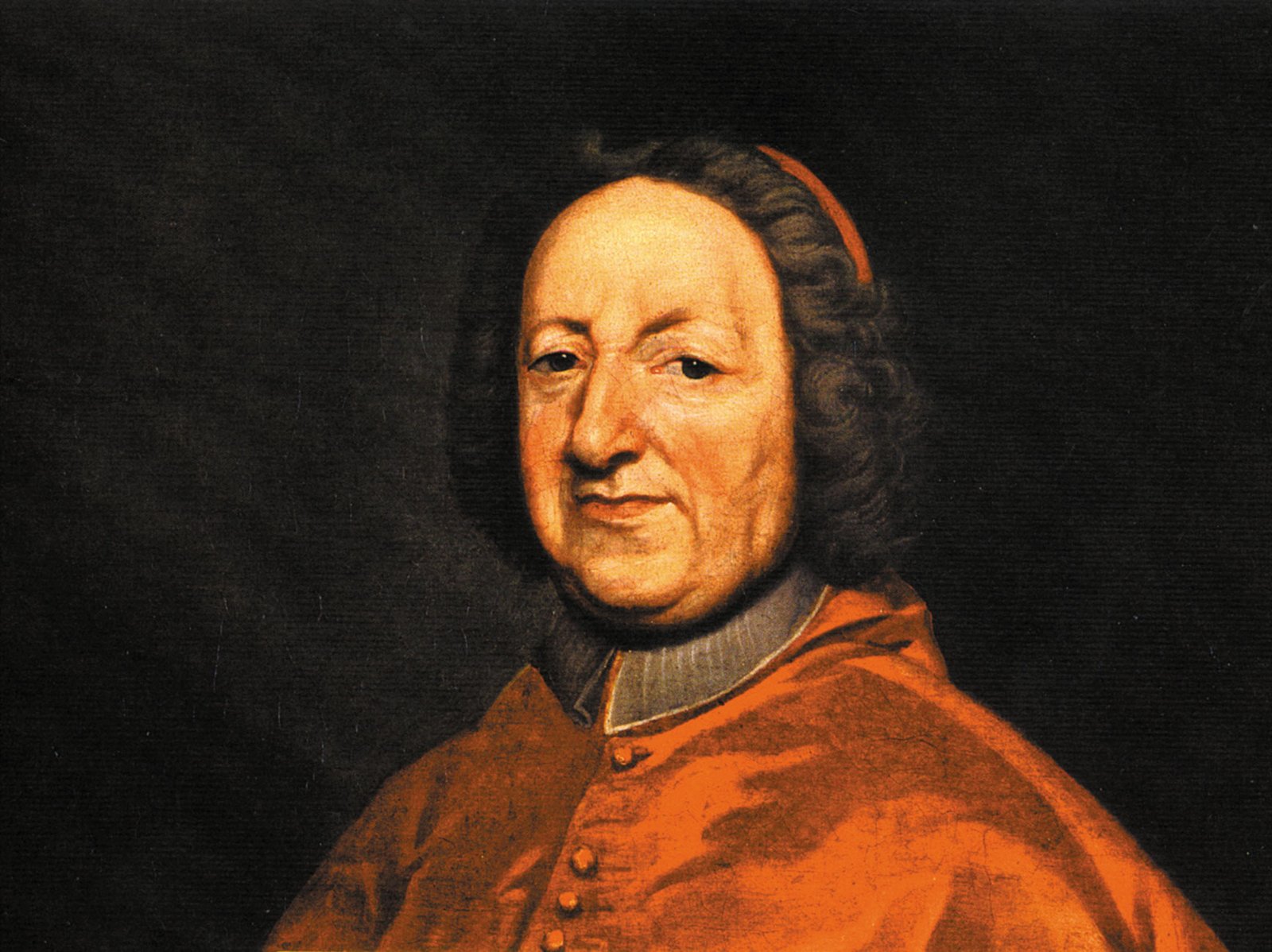
Piacenza cured meats were appreciated by merchants in Milan and Lombardy, who distinguished them from other Emilian products by calling them 'roba de Piasenza'.
Early 18th century
The fame of Piacenza cured meats reached the courts of France and Spain also thanks to Cardinal Giulio Alberoni, a skilled Piacenza diplomat.
From 1900 to today
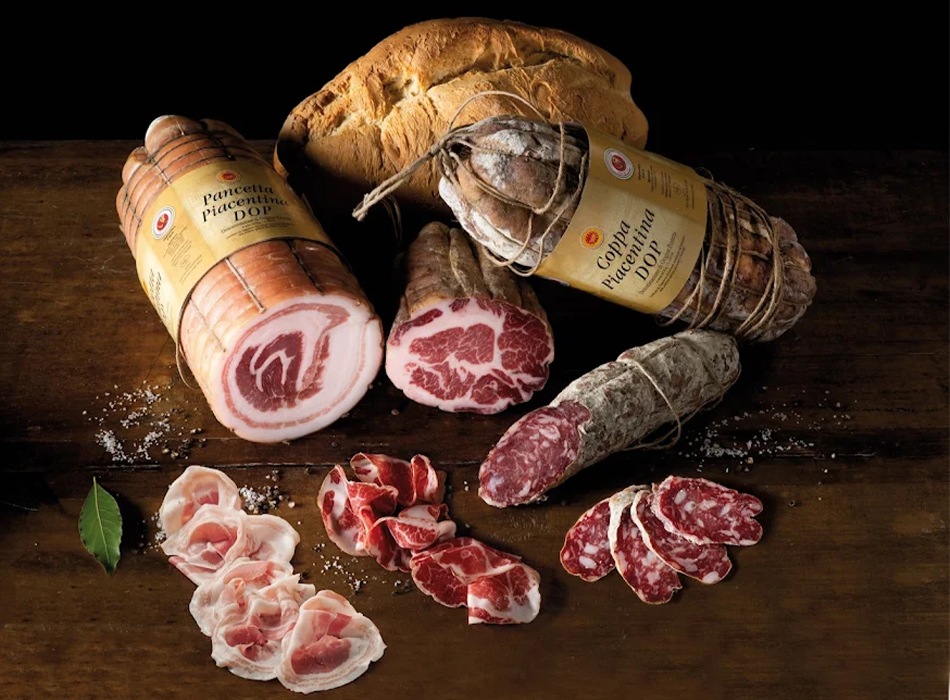
In the early twentieth century, local processing of salted and cured meats began to take on a semi-industrial dimension, leading to today's network of producers and three PDO denominations protected by the Consortium.
Educational materials
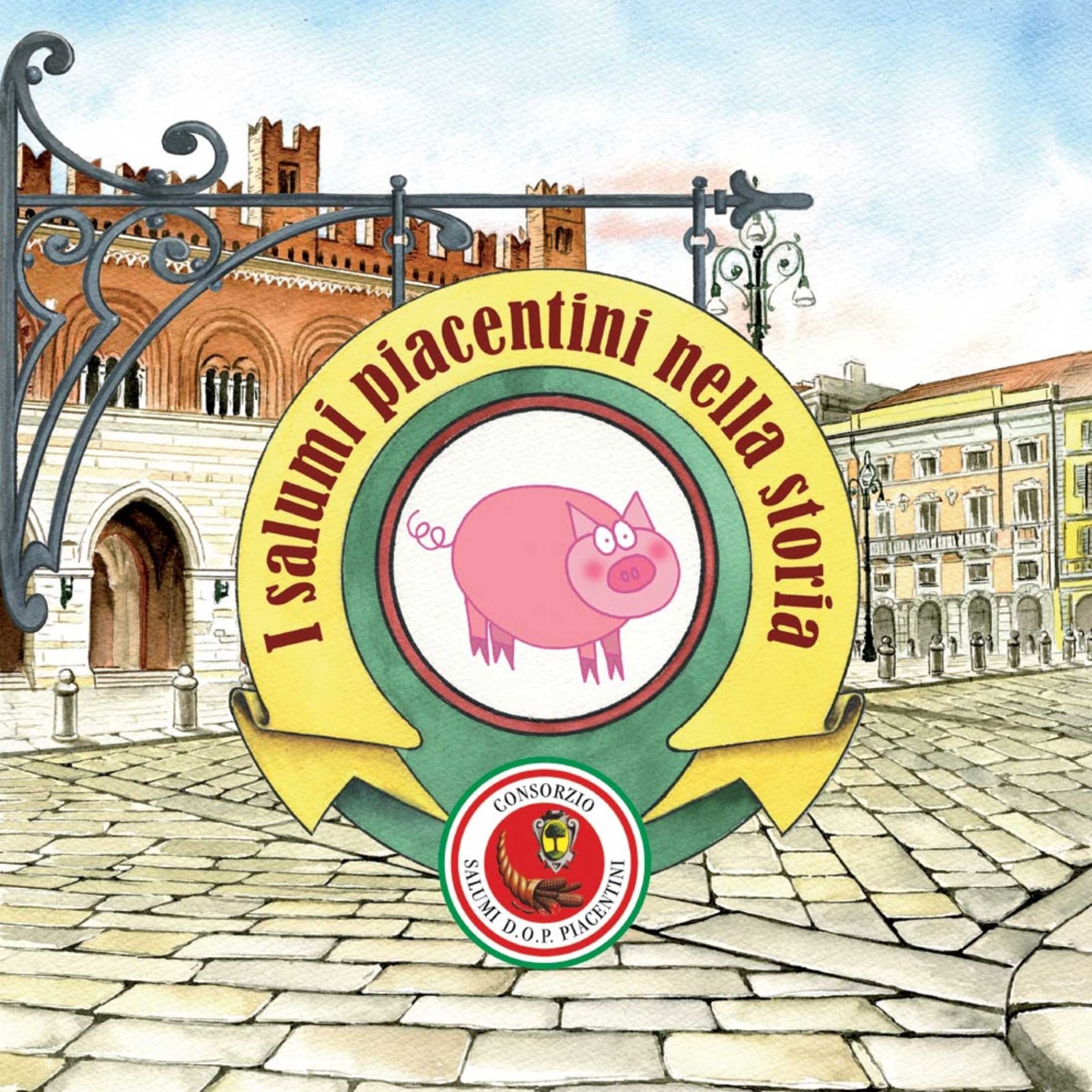
An illustrated brochure helps make the historical path accessible in educational and dissemination contexts.
Piacenza PDO Cured Meats Consortium
Today Coppa Piacentina PDO, Pancetta Piacentina PDO and Salame Piacentino PDO are protected denominations governed by production rules, controls and enhancement activities.